 Do With Claude
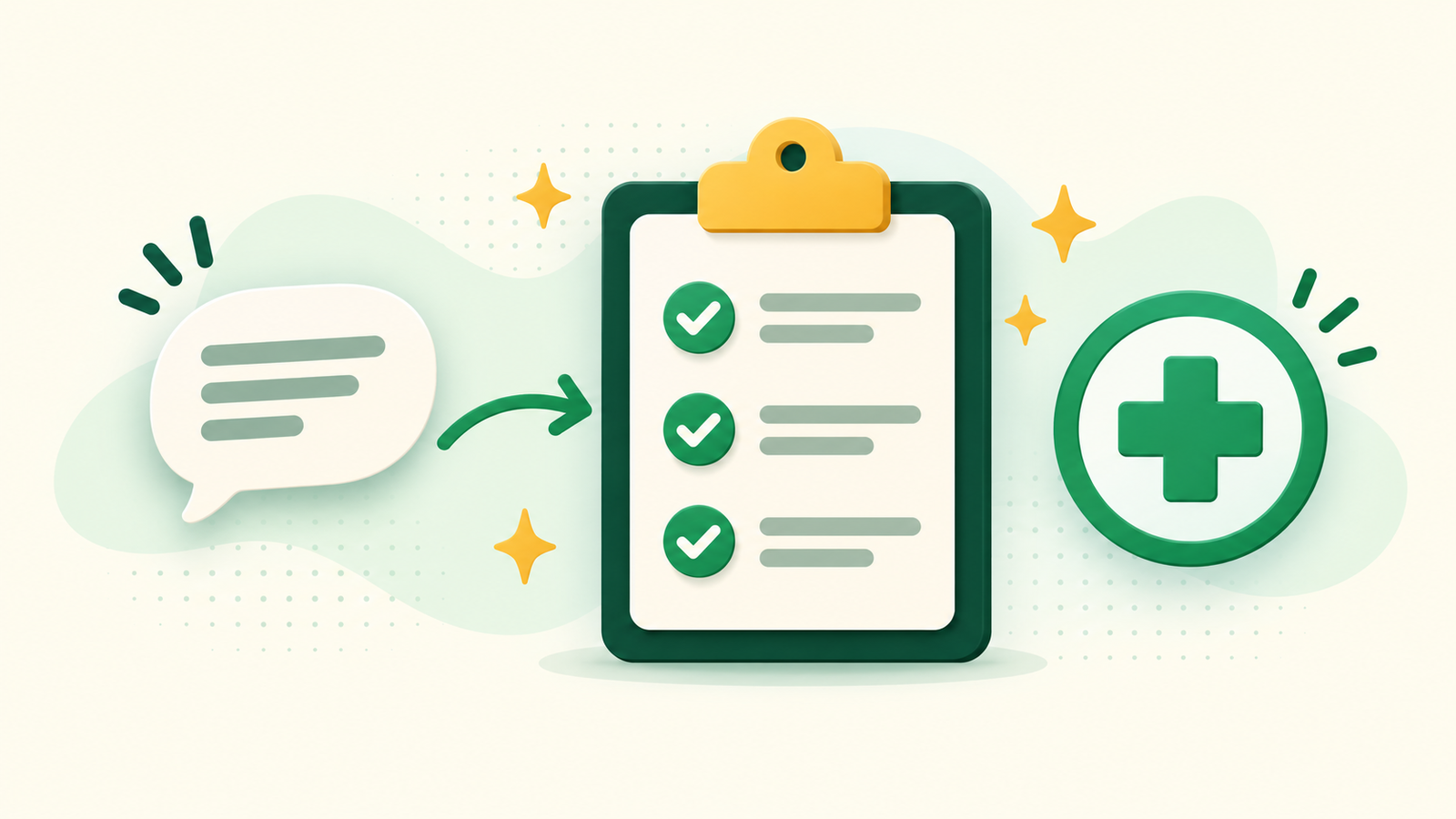
You hear it at a dinner table, read it in a forwarded message, or see it on a package: "This tea lowers blood pressure." "Never eat after 7 p.m." "That supplement replaces your pills." Is any of it true? You can find out in about 5 minutes, without a medical degree, by asking Claude the right questions.
Claude can't tell you what is right for your body. But it is very good at explaining what a claim actually says, what is known about it, and what to ask your doctor. That is the job here: understand the claim and check a health claim with Claude, so you can decide what deserves a real conversation.
What you need
The free Claude plan works fine. Have the claim in front of you, either typed out or as a photo of the package or screenshot of the message. To start, go to claude.ai, sign in, and type in the box at the bottom of the page.
One safety step first. If your message or photo has anything personal in it, like a full name, phone number, or a medication label with your details, cover it up or type XXXX over it before you send it. Claude doesn't need any of that to check a claim.
The steps
- Copy the claim exactly as you heard or read it. Use the real wording, since small words like "may" and "cures" change everything.
- Open a new chat and type this, with your own claim in the brackets:
I heard this and I'm not sure if it's true: "[the claim]". Please explain in plain English what is actually known about it. Tell me what part might be true, what part is exaggerated, and what is simply unproven. I'm not a medical person, so skip the jargon.
- Read the answer slowly. Claude will usually split it into what research supports, what is uncertain, and what is a stretch.
- Ask the follow-up that matters most to you:
Could this be risky for someone who takes regular medication or has a health condition? What should I ask my doctor or pharmacist before trying it?
- If the claim came from an ad or a message, ask one more:
What words in this claim sound like marketing rather than evidence? What would a trustworthy source say instead?
Check the answer
Claude can be wrong, and health is not the place to take its word for it. So treat the answer as a way to understand the claim, not as the final word. Look for these signs of a good answer:
- It separates "studied in people" from "studied in a lab" or "someone's story."
- It admits what is not known instead of sounding sure about everything.
- It mentions when a claim could matter for people on certain medicines.
If the answer is too long or too technical, say "explain that more simply" or "give me just the three most important points." If it sounds too confident, ask "how sure are you about this, and what would change your answer?"
Then double-check anything important. Take your short list of questions to your doctor or pharmacist. They know your health history, and Claude does not. Claude can also search the web in some chats, which can help with recent news, but it can still get things wrong, so the check with a real professional stays part of the process.
Make it yours
- A supplement label: "Here is what the label says: [ingredients and claims]. What does each ingredient do, and which claims sound unproven?"
- A food rule: "People say [food rule]. Is that a real guideline, a myth, or somewhere in between?"
- A doctor's visit: "Help me turn this claim into 3 short questions for my appointment."
What to leave out
Don't ask Claude whether to stop or change a medicine. Don't use it for an emergency, or for symptoms that worry you right now. For those, call your doctor or local emergency number. And don't paste in test results or records with your personal numbers on them.
If you'd like to watch this done on screen, I show it step by step on the YouTube channel @DoWithClaude.