 Do With Claude
Anthropic just shared something that sounds like science fiction: Claude helped find a brand new biological system that scientists hadn't described before. If you mostly use Claude for emails and spreadsheets, that feels a million miles from your world. But how it happened teaches a very practical lesson about what Claude is actually good at.
Here's the story in plain English, and what to take from it. (This is my summary of Anthropic's announcement from September 23.)
What did Claude actually find?
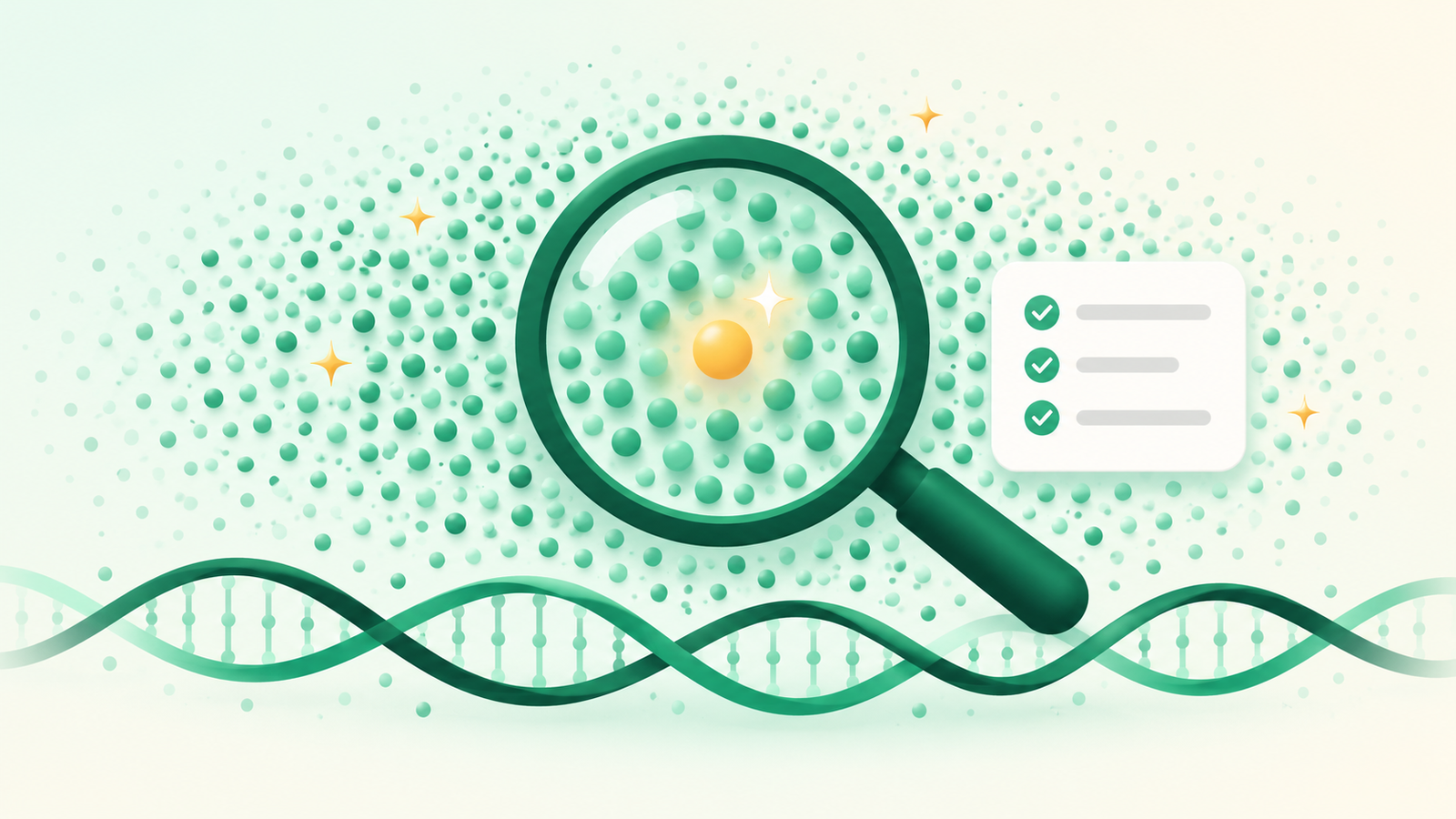
Enzymes are tiny natural machines inside living things. Anthropic had Claude search public genetic databases for one family of them, called reverse transcriptases, which show up in bacteria and in the viruses that infect bacteria.
Somewhere in that search, one Claude spotted something unusual: one of these enzymes sitting next to a repeating pattern of DNA that looks like the pattern found in CRISPR, the famous gene-editing tool. Claude then did what a human scientist would. It compared the layout to known systems, measured the repeats, searched past research to see if anyone had reported it, and wrote up a report.
Anthropic is calling the new find array-associated reverse transcriptases. You don't need to remember that. You just need to know that it's new.
The numbers behind it
- 21 hours of searching
- About 950 Claude agents at once. That means many copies of Claude working side by side, each handed a piece of the job.
- 200,000+ of these enzymes looked at
- 3,500 new systems flagged, then 20 picked as the most promising to study closely
Anthropic says this kind of search usually takes people weeks to months.
The part that matters: people stayed in charge
Anthropic's own scientists pointed Claude in a direction, and they did all of the lab work themselves. Feng Zhang, a CRISPR pioneer at MIT and the Broad Institute, reviewed it and called it "an exciting example of how AI agents can contribute to biological discovery."
And Anthropic is upfront about the limit: they don't yet know what this new system actually does. Claude found it. Figuring out its job is the next part, and that's lab work.
What this means if you don't code
I resisted AI for a long time, so I get the eye-roll at "AI makes discoveries." But strip away the biology and the lesson is plain. Claude is very good at going through a big pile and handing you the few things worth a human look. Then you check them. That works at kitchen-table scale too:
- A year of statements. Paste in a list of charges and ask: "Which charges repeat every month, and are there any I might have forgotten about?"
- A folder of messages. Paste in 30 emails and ask: "Which ones need a reply this week, and why?"
- One long document. Give it a policy or contract and ask: "List every date, deadline and fee in here."
Cover up account numbers and anything private before you paste. And notice the pattern in the science story: Claude pointed, the scientists tested. Do the same. Check anything that matters before you act on it.
Where it stops
This discovery took about 950 agents, a team of scientists and a real lab. Your 30 emails will not discover a new enzyme. What you get is the same shape of help, at your size: it reads the pile, you make the call.
The takeaway
The big news isn't that AI can do science. It's how: a huge pile, a clear thing to look for, and people checking the results. That's a recipe you can borrow tomorrow morning for your own paperwork.
Want to see tasks like these done start to finish? That's exactly what I do over on YouTube at @DoWithClaude: one simple task at a time, in plain English.