 Do With Claude
Scammers have started using Claude's name as bait. Over the past few weeks, security researchers have found fake Claude websites, fake "free Claude Max" giveaways and fake Claude business tools, all built to do one thing: get you to type your password into a box that isn't real. If you use Claude, or you're thinking about trying it, this fake Claude website scam is worth two minutes of your time. And the fix is one simple habit.
What actually happened
There isn't one scam here. There are several, and they share a trick.
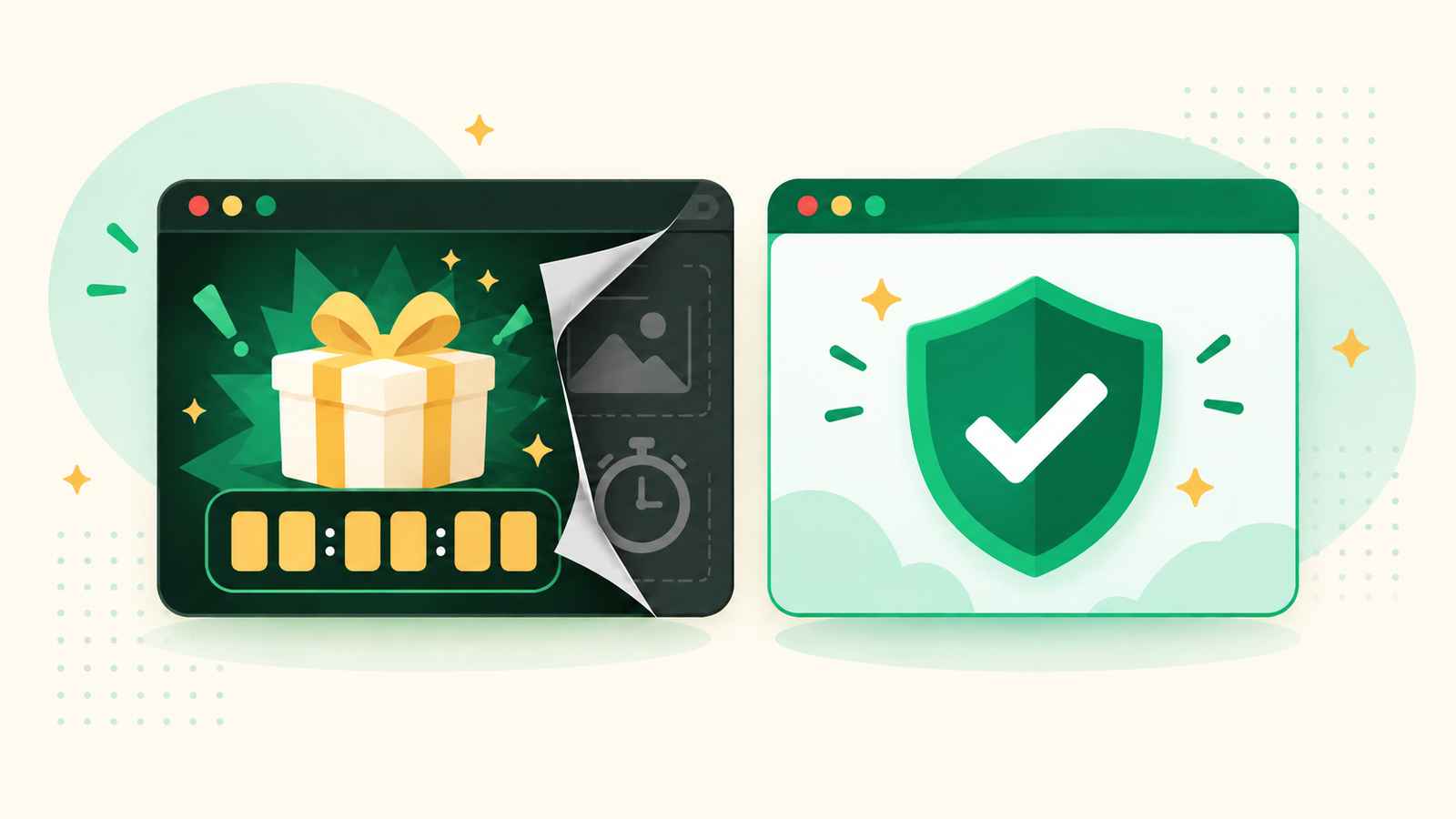
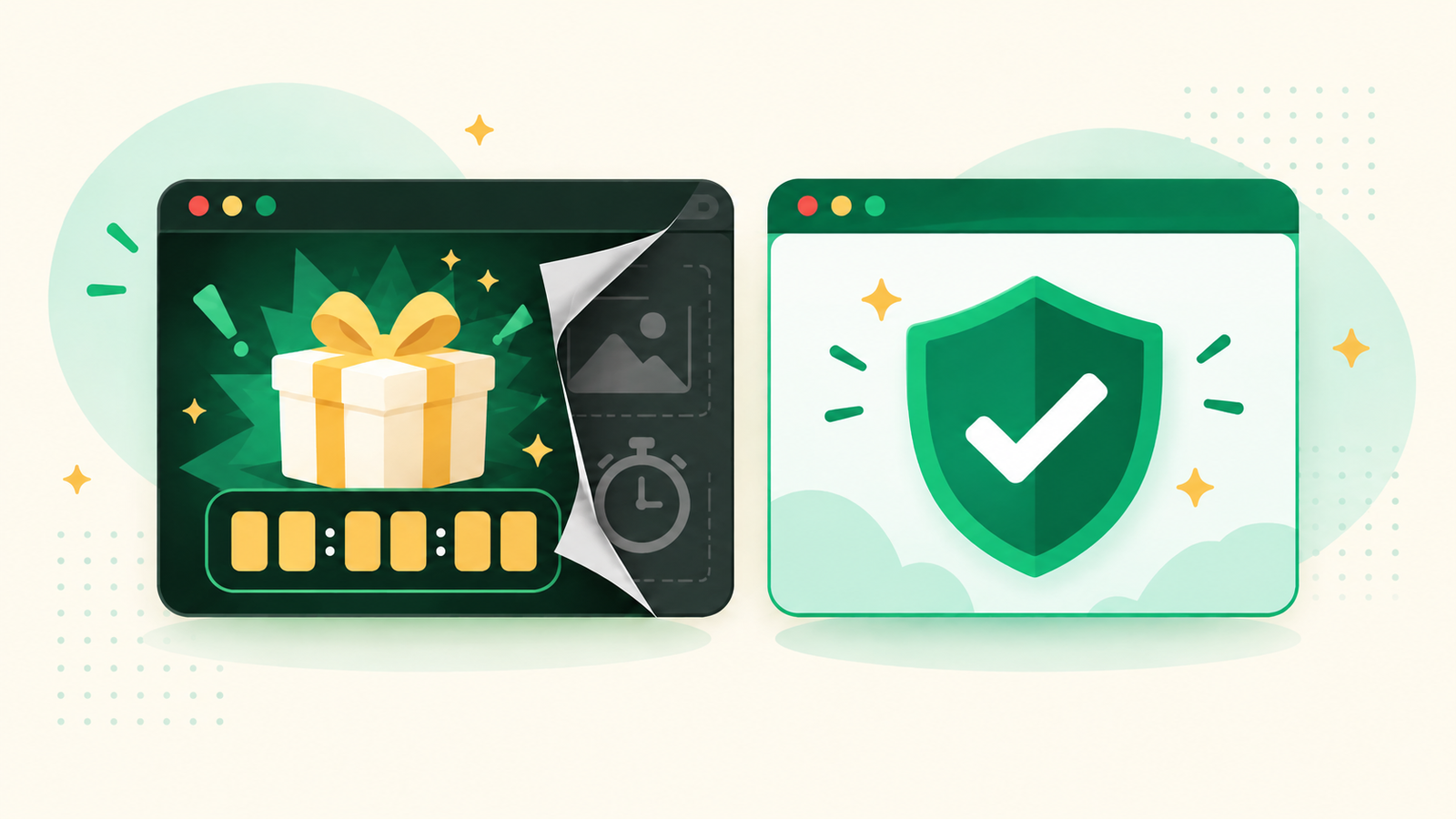
- A fake "free Claude Max" giveaway. A site dressed in Claude's colors claimed 10,000 free months of Claude Max, the expensive plan, were up for grabs. A countdown said only a few hundred spots were left. (It reset every time you reloaded the page.) To "claim" yours, you had to sign in with Google.
- Fake Claude tools for work. Another group set up fake "Claude advertising portals," plus copies for ChatGPT, Gemini and others, aimed at people who run ad accounts for businesses. Invitations arrived by email and asked you to "connect your account."
- Fake download pages. Paid search ads for words like "Claude app" have led to look-alike sites with a big download button. Instead of the real app, they hand you instructions to copy and paste a command into your computer, which installs software that steals files and saved passwords.
The trick: a sign-in window that's only a picture
The giveaway and the fake work tools both used the same move. You click "Continue with Google," and what looks like a normal Google sign-in window pops up, complete with a padlock and the right web address at the top. But it isn't a real window. It's a drawing inside the scam page, made to look like one. Anything you type goes straight to the scammers. The fake work tools went a step further and asked for the security code from your phone too, so they could get past two-step sign-in.
That's the part that catches careful people. The usual advice, "check the address and look for the padlock," doesn't help when the address and the padlock are part of the picture.
What it means for you
Most people won't see these. But if you're new to AI, a "free upgrade" offer is exactly the kind of thing that feels like a nice surprise. And the prize isn't your Claude account. It's usually your Google or work password, which can open your email, your documents and the password reset messages for everything else.
Claude itself wasn't hacked. These are copies standing outside the door, wearing its name.
How to spot a fake Claude site
- Start from the real address. Claude lives at claude.ai, and Anthropic's main site for it is claude.com. Type it yourself or use a bookmark. Don't click an ad or a link in an email to get there.
- Get the app from the real store. The desktop and phone apps come from Claude's own download page, the Apple App Store, Google Play or the Microsoft Store.
- Never paste a command to "install" anything. A real app installs when you open the file you downloaded. If a page tells you to copy something into your computer to finish, close it.
- Be suspicious of free plans and countdowns. If Claude ever offers you something, you'll see it after you sign in at claude.ai, not on some other website with a timer.
- Know how the real sign-in works. Claude lets you sign in with Google or with your email address. The email way sends you a login link from an @mail.anthropic.com address, not a request for your password.
The catch
A fake sign-in window can look perfect, so trust your route, not the look of the page. If you got there by typing claude.ai yourself, you're fine. If you got there from an ad, a text, an email or a "you've won" offer, stop and start over from claude.ai.
One extra layer helps a lot: turn on two-step sign-in for your Google account, and use a passkey if your phone offers one. A passkey only works on the real site, so a fake page can't use it.
What to do now
If you've only ever used claude.ai or the official app, nothing. If you think you typed a password into one of these pages, change that password today, starting with your Google or email account, and check that account's recent activity for sign-ins you don't recognize.
And bookmark claude.ai now. It's the simplest scam protection there is.
I walk through Claude one task at a time on the Do With Claude YouTube channel, @DoWithClaude, including how to get to the real Claude every time and set it up safely.